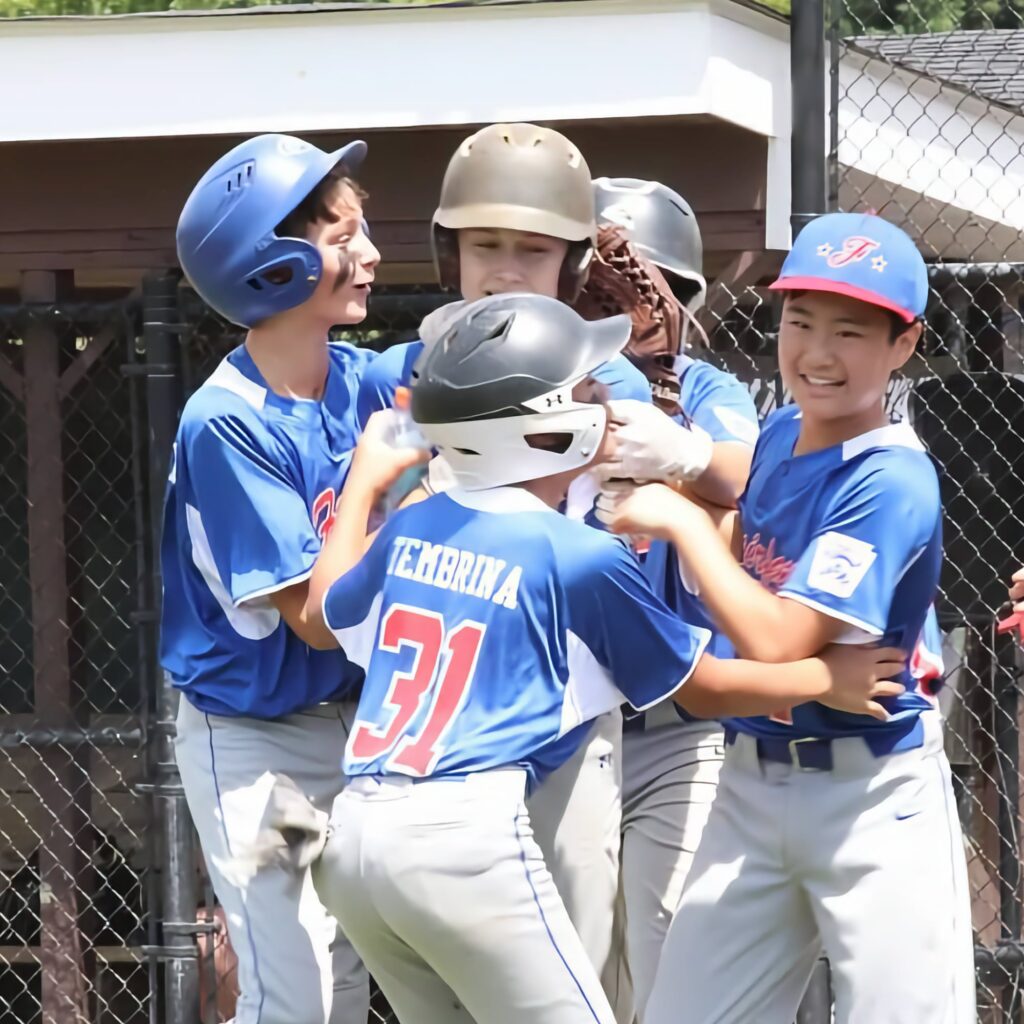
Fairfax Little League has grown from a small parent-led initiative into a robust community institution—marked by facility development, inclusive programs (including girls, Tee Ball, and Challenger), district and state tournament successes, and strong fundraising efforts. The League’s ability to adapt—through restructuring, facility updates, and pandemic resilience—illustrates a steadfast commitment to youth baseball and softball across seven decades in Fairfax, Virginia.
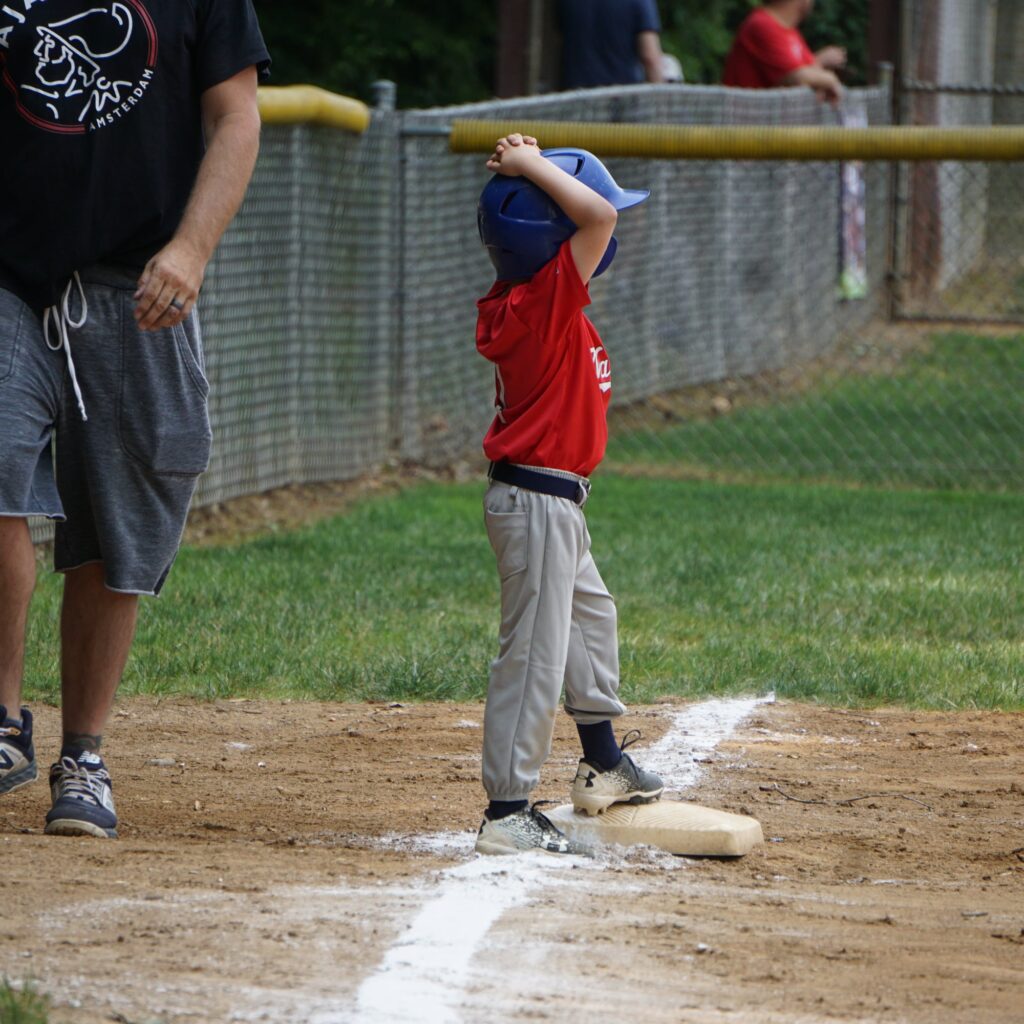
Fairfax Little League began on May 15, 1955, with 250 players, $37 raised, and early sponsors like Walker & King Realtors. By 1956, under President Dewitt Hartell, the League incorporated, added multiple divisions, and built Legion Stadium with support from Post #177 and the National Bank of Fairfax. Enrollment grew to 438 players by 1957 and 500 by 1958, with new fields at Route 123 & Lee Highway. In 1959, by-laws were adopted, the League split into Eastern and Western divisions, and secured a lease at Thaiss fields on Pickett Road.
In the 1960s, Fairfax Little League expanded rapidly—purchasing land on Braddock Road, adding Pickett and Colchester Road fields, and reaching nearly 1,200 players by 1968. By 1969, more than 1,300 youth played on 94 teams, governance was strengthened with a District Administrator, and the Thaiss complex was dedicated in memory of Fred Thaiss as the American team advanced to the State Championship.

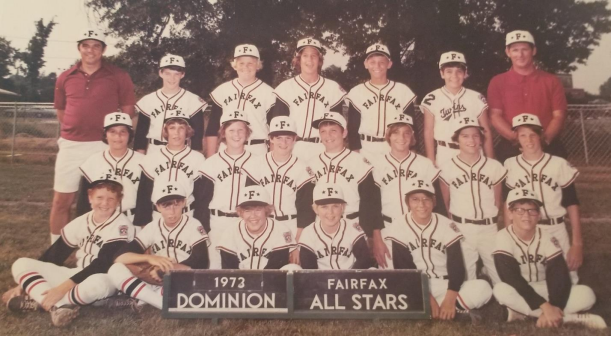
The 1970s brought major growth: by 1970, participation reached 1,300 across 100 teams with the Jermantown complex opening and Eakin Park added. In 1972, Chilcott Stadium was revamped, Kings Park West fields were established, and Dominion captured the League’s first state championship. Girls joined in 1974, and Tee Ball launched in 1977 with 56 teams. By 1979, enrollment was near 900, the League restructured into American and National divisions, and Fairfax National won the District 10 title.
The 1980s saw growing sophistication, with nearly 1,000 players on 78 teams by 1981, $48,000 budgets, and new amenities like batting cages, scoreboards, and floodlights. The Challenger division debuted in 1985, and expansions continued with new fields and bleachers. By 1989, participation exceeded 1,350 across 81 teams, 28 Tee Ball teams, and two Challenger squads, prompting a return to a three-league structure.
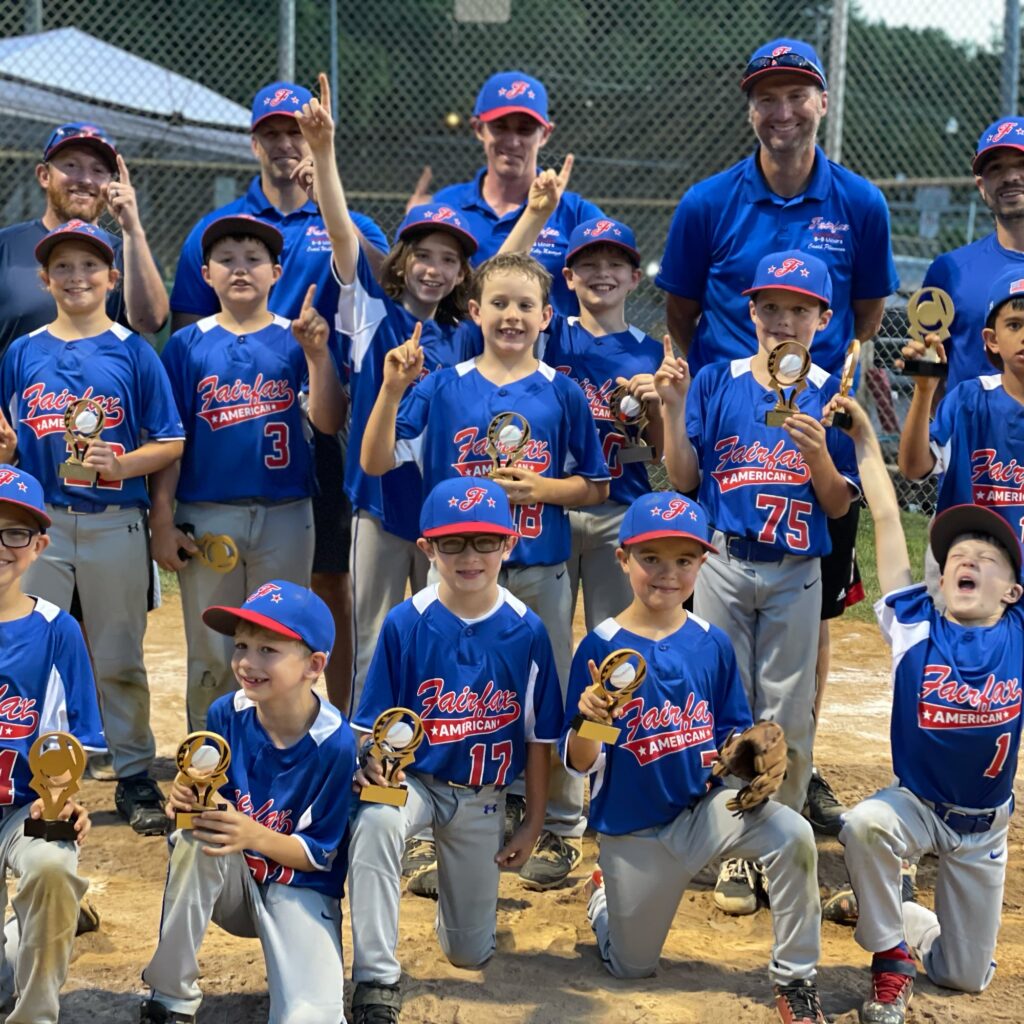
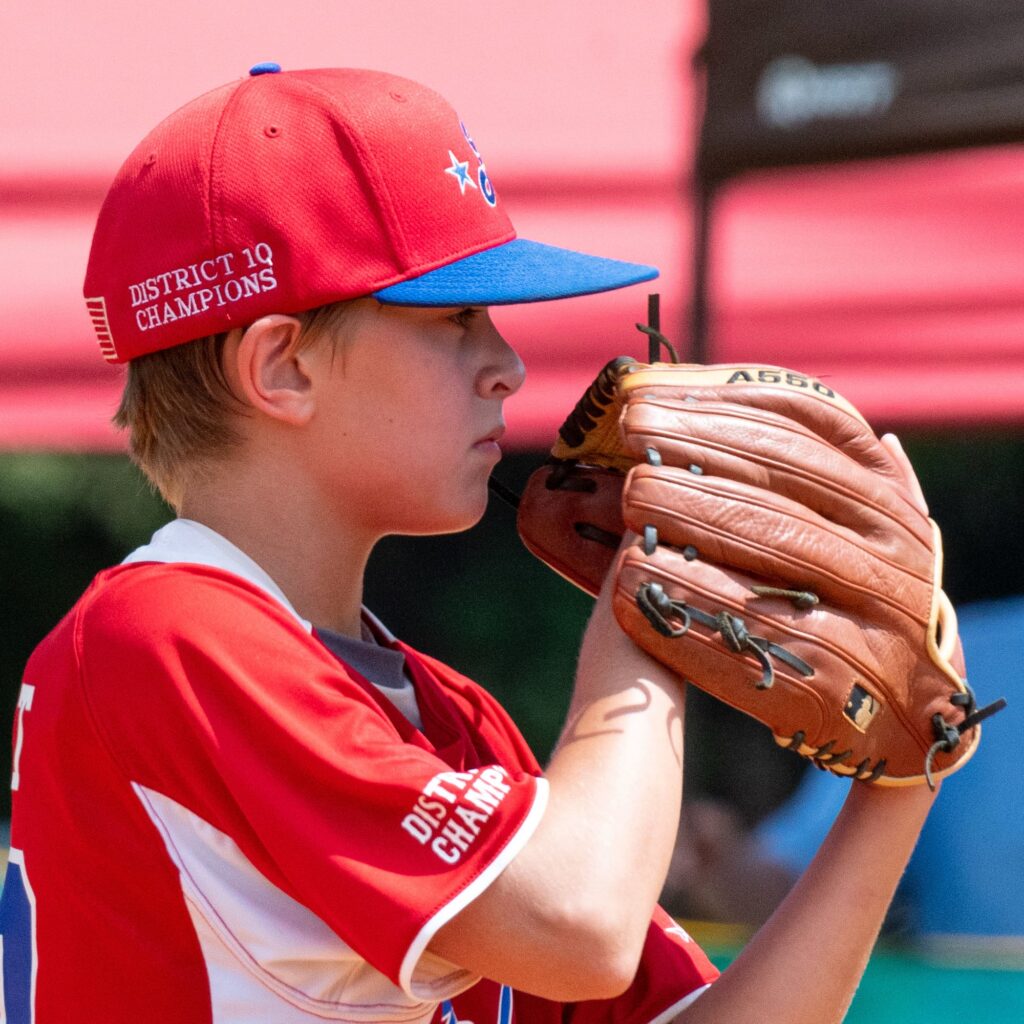
The 1990s brought major milestones, from an expanded Challenger program and new concessions to hosting District 10 tournaments and selling 70,000 candy bars in 1990. Facilities were upgraded across multiple parks with lighting, bleachers, storage, and irrigation. The League added Junior and Senior divisions, won state titles at several levels, and by 1999 earned national safety awards while serving over 1,400 players across five levels plus fall ball.
The 2000s saw steady growth with new fields, cages, and lighting, along with expanded concessions and a focus on safety and volunteers. Fairfax National captured multiple District 10 titles, the Seniors won a 2002 state championship, and strong participation sustained well-structured programs across all age groups.
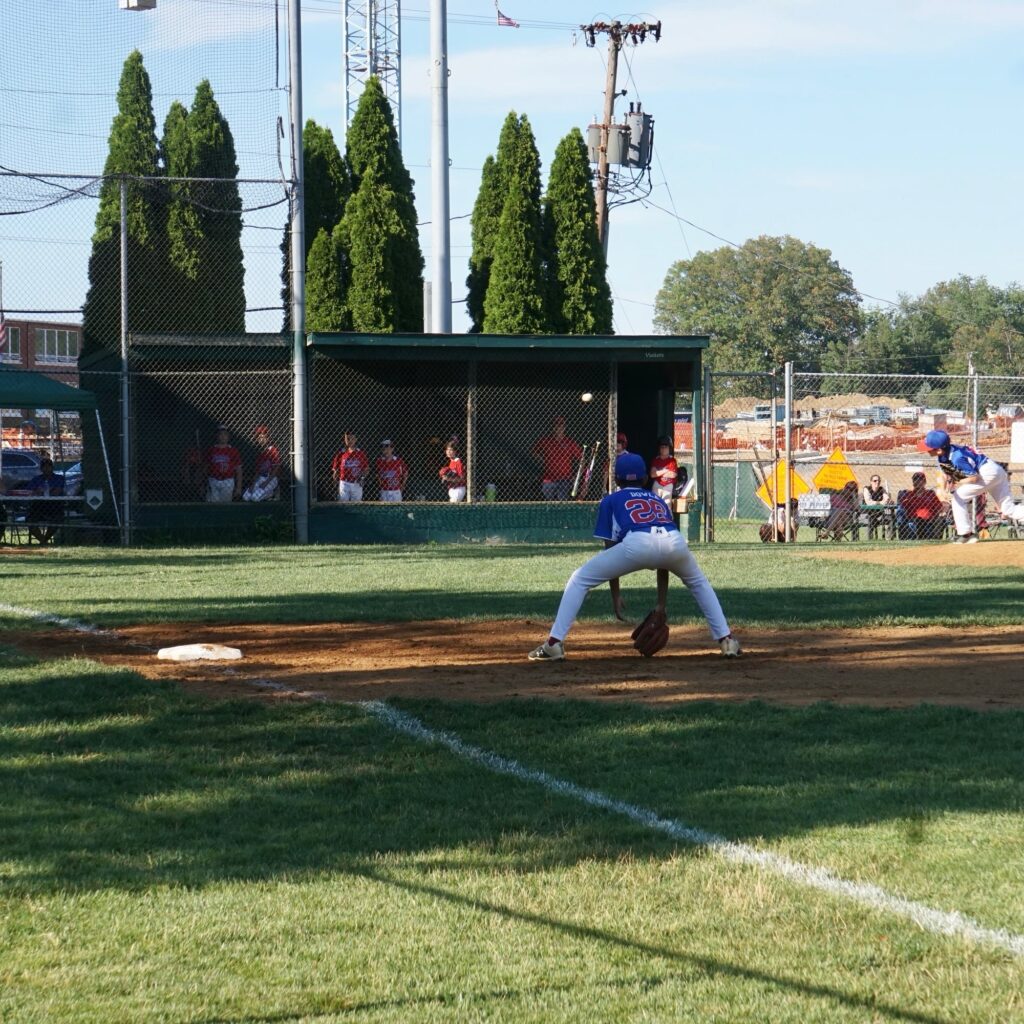
The 2010s brought new facility and administrative upgrades, national safety recognition, and steady enrollment of about 1,100 players each spring. Fairfax teams made strong tournament runs, an Intermediate (50/70) division was added, and in 2013 the League streamlined from three leagues to two. Umpire development also grew, with volunteers even serving in international tournaments.
After the 2020 season was canceled due to COVID-19, Fairfax quickly rebounded with fall play and a full spring by 2021. Field and lighting upgrades continued, the League earned its first state title in nearly 20 years, and enrollment held steady above 1,000. In 2023, a softball division was added, reinforcing Fairfax’s commitment to growth, inclusivity, and community engagement.